
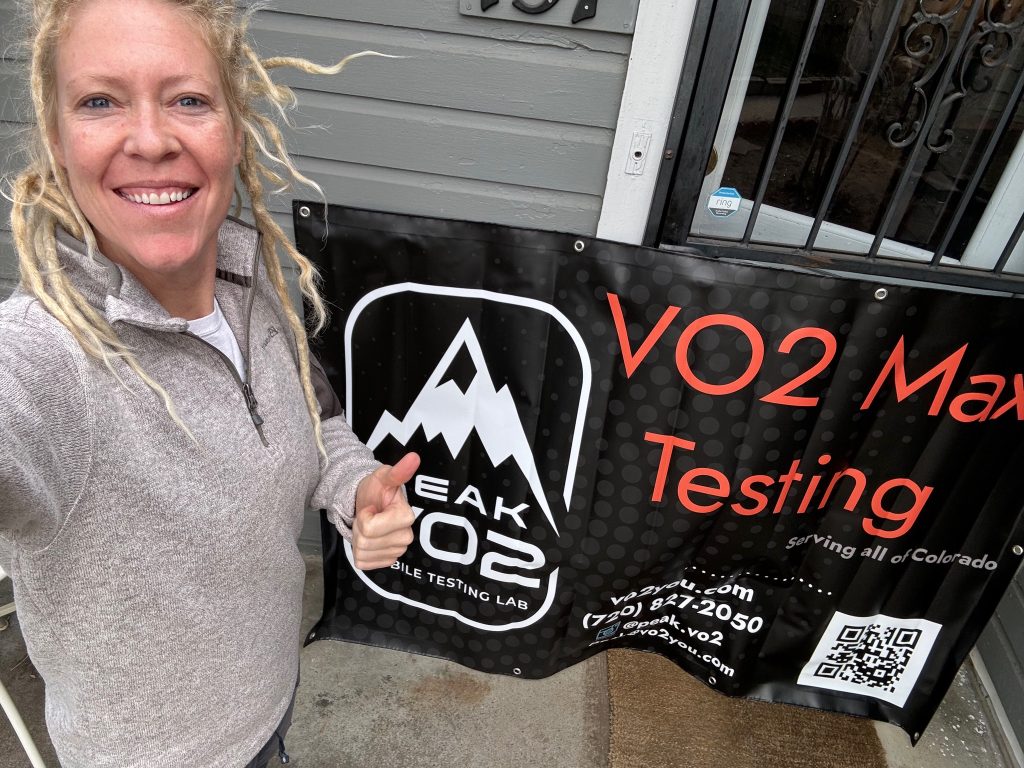
If you’ve ever wanted the kind of fitness data that endurance athletes and cardiac clinics rely on, but the idea of a hospital exercise lab felt intimidating, or just inconvenient, mobile VO2 max testing was built for you. Instead of booking time at a facility across town, sitting in a waiting room, and performing in an unfamiliar clinical space, the lab comes to your home, gym, or studio. A certified professional brings the same clinical-grade equipment and runs the entire assessment on your turf. Below is exactly what that looks like, from the moment you book to the plan you walk away with.
What VO2 max is, and why it’s worth measuring
VO2 max is the maximum amount of oxygen your body can use during all-out exercise. It’s the most complete single measure of cardiorespiratory fitness, a snapshot of how well your heart, lungs, blood, and muscles work together under load. Researchers consider it one of the strongest predictors of both athletic performance and long-term health.
The crucial distinction: a real VO2 max test doesn’t estimate your number from your heart rate the way a smartwatch does. It measures it directly by analyzing the air you breathe out while you exercise. That direct measurement of gas exchange is why a lab test is called the gold standard, and why the number it gives you is something you can actually build a training and health plan around.
Why “mobile” changes the experience
Traditional testing means finding a lab, scheduling around their limited hours, driving over, and performing in a clinical environment. Mobile testing removes every one of those friction points:
- It happens where you’re comfortable. Your living room, garage gym, or the studio you already train at, a familiar space where you can relax and give a true effort.
- No travel, no waiting room. Especially helpful if you’re new to this and a little nervous about the whole idea.
- The same clinical-grade analyzer and the same trained professional you’d get in a hospital lab, simply brought to your door.
- A more personal experience. One-on-one attention the entire time, with plenty of room to ask questions.
For Denver-area clients, that means a genuine, hospital-quality assessment without the hospital, and without rearranging your whole day.
Booking and what happens beforehand
When you book, you’ll share your goals and any relevant health history. This matters: it lets your exercise physiologist choose the right protocol and, if you have a heart condition or other medical concern, arrange any provider clearance in advance. If you’re generally healthy, there’s nothing complicated to sort out, you simply pick a time and location that work for you.
How to prepare for an accurate test
A little preparation makes your results meaningfully more accurate, because VO2 max reflects your body on the day of testing. In the 24-48 hours beforehand:
- Avoid hard or exhausting workouts for about 24 hours. You want to be rested enough to give a true maximal effort, fatigue will artificially lower your number.
- Hydrate well in the hours leading up to the test; even mild dehydration affects performance.
- Skip heavy meals, alcohol, and caffeine in the few hours before. A light snack a couple of hours prior is fine, you don’t want to test on a totally empty stomach or a full one.
- Wear comfortable workout clothes and athletic shoes, whatever you’d normally train in.
- Take your usual medications unless a provider tells you otherwise, and mention any of them when you book.
- Come with questions. A big part of the value is the conversation about what your results mean for you.
Bike or treadmill? Choosing your test
Mobile VO2 max tests are typically performed on either a stationary bike or a treadmill, and the best choice depends on you. Cyclists, triathletes, and anyone with knee or balance concerns often prefer the bike, which is stable and easy to control. Runners usually choose the treadmill because it best reflects their sport and tends to elicit a slightly higher VO2 max for trained runners. Your physiologist will help you pick the option that matches your goals and feels safest, the goal is a clean maximal effort, not a particular machine.
During your test: a step-by-step walkthrough
The test itself is straightforward and usually involves about 10 to 20 minutes of actual exercise, with setup and discussion around it.
- Setup and explanation. Your certified exercise physiologist arrives with the metabolic analyzer and your bike or treadmill, calibrates the equipment, and walks you through exactly what will happen before anything starts.
- The mask or mouthpiece. A lightweight mask fits over your nose and mouth to capture the air you breathe. It feels a little unusual for the first minute, then you forget it’s there. It measures the oxygen you consume and the carbon dioxide you produce, breath by breath.
- An easy warm-up. You’ll start at a gentle intensity to loosen up and let the equipment establish your baseline.
- A gradual ramp. Every couple of minutes, the intensity steps up, a little faster or a little steeper on the treadmill, a little more resistance on the bike. It’s genuinely comfortable at first and progressively more challenging.
- Continuous monitoring. Throughout, your professional watches your breathing data and heart-rate response in real time, coaching your effort and keeping everything safe.
- Your peak. The test ends when you reach your maximal effort, or a predetermined stopping point. That final push is where your true VO2 max appears in the data. Then you cool down.
You set the effort; the professional makes sure it’s safe, well-paced, and productive.
What your professional is watching for
Beyond the headline VO2 max number, a trained physiologist is reading several things live, and translating them into plain language for you afterward:
- Ventilatory thresholds: the points where your breathing changes gear, marking the transition from easy aerobic effort to harder work. These define your most useful training zones.
- Respiratory exchange ratio (RER): a breath-based signal of whether you’re burning more fat or carbohydrate, and confirmation that you reached a true maximal effort.
- Heart-rate response: how your heart rate tracks with intensity, so your zones are based on your physiology rather than a generic “220 minus age” formula.
After your test: turning data into a plan
Numbers only matter if you can use them. After the test you’ll receive a detailed report and a consultation that turns the data into something actionable:
- Your VO2 max, and what it means in the context of your goals.
- Personalized heart-rate training zones built from your thresholds, not age-based estimates, so you know exactly how hard to go for base building, fat-burning, endurance, or high-intensity work.
- Your thresholds and exercise economy, so you understand where your body shifts gears and how to train those transitions.
- A clear baseline you can re-test against later to measure real progress.
From there you have a roadmap, whether that’s preparing for an event, building an aerobic base, breaking a plateau, or simply protecting your long-term health. If you’re also curious about how many calories your body burns at rest, pairing your VO2 max with RMR testing gives an even fuller picture.
Who mobile VO2 testing is for
This isn’t just for competitive athletes. It’s genuinely useful for anyone who wants to train smarter or understand their body:
- People starting a new fitness routine who want an honest baseline.
- Recreational and competitive athletes fine-tuning their training zones.
- Anyone focused on longevity and healthy aging who wants to track fitness over time.
- People who’ve hit a plateau and want to know why.
- Anyone whose smartwatch number seems off and who wants the real answer.
Wherever you’re starting from, the test meets you there, no athletic background required.
A typical appointment, start to finish
To set expectations, here’s how a session usually flows: your physiologist arrives and sets up (about 10 minutes), reviews your goals and health history and fits the mask (5-10 minutes), guides you through the warm-up and graded test (10-20 minutes of exercise), lets you cool down, and then walks you through your initial results and next steps. Most people are done in about 45 minutes to an hour, and leave with data they can use that same week.
Is a mobile test as accurate as a lab test?
This is the most common question we hear, and the answer is yes. The accuracy of a VO2 max test comes from three things, the equipment, the protocol, and your effort, not the building it happens in. Peak VO2 uses the same type of clinical-grade metabolic analyzer you’d find in a hospital or university lab, and it’s calibrated on-site before every test to account for temperature, humidity, and altitude (which genuinely matters at Denver’s elevation). The graded protocol is identical to what a lab would run, and your certified physiologist makes sure you reach a true maximal effort. Put simply: the science travels. What you gain with mobile testing is comfort and convenience; what you don’t give up is precision.
Frequently asked questions
Plan for about 45 minutes to an hour total. The maximal exercise portion is usually only 10-20 minutes; the rest is setup, warm-up, cool-down, and reviewing your results.
The test builds gradually and is tailored to you, so people of all fitness levels can complete it. You control the effort, and a certified professional guides and paces you the entire time.
Anywhere with a bit of floor space and a standard outlet, your home, garage gym, or training facility across the Denver metro. That’s the whole point of mobile testing.
Most healthy adults don’t. If you have a known heart condition or specific medical concerns, let us know when you book so the appropriate protocol and any clearance can be arranged.
A detailed report plus a consultation covering your VO2 max, personalized training zones, and thresholds, so you leave knowing not just your number, but how to use it.
Ready to see your numbers? Learn more about VO2 max testing or book your mobile test, we bring the lab to you across the Denver area. Want to know who’s running it? Meet the physiologist behind Peak VO2.